

Server Room Setup Guide for Small Business in 2026
Complete Server Room Setup Guide for Small Business in 2026
Setting up a professional server room is a critical investment for growing small businesses. As your company scales and data becomes increasingly valuable, having a properly designed server infrastructure ensures reliability, security, and performance for your business operations. A well-planned server room protects your technology investments while providing the foundation for future growth.
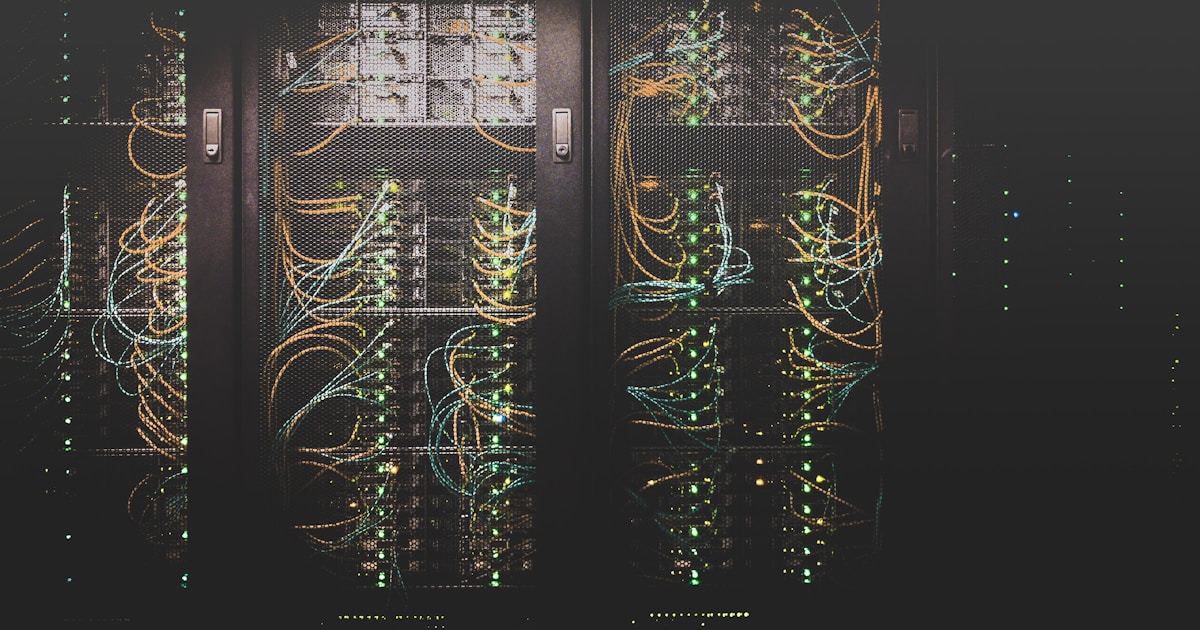
This comprehensive guide will walk you through every aspect of server room planning and implementation, from initial space requirements to advanced monitoring systems, ensuring your small business has enterprise-grade infrastructure without enterprise-grade costs.
Planning Your Server Room: Essential Considerations
Space Requirements and Location
The foundation of any successful server room starts with proper space planning. Consider these critical factors when selecting and designing your server room:
- Size Planning: Allow at least 50-100 square feet for basic small business needs
- Future Expansion: Plan for 3-5 years of growth in server and storage capacity
- Accessibility: Ensure easy access for maintenance while maintaining security
- Proximity to Infrastructure: Close to electrical panels, internet entry points, and HVAC systems
- Floor Load Capacity: Ensure floors can support 150+ pounds per square foot
Environmental Requirements
- Temperature Control: Maintain 68-72°F (20-22°C) for optimal performance
- Humidity Management: Keep relative humidity between 40-60%
- Air Quality: Minimize dust, pollutants, and static electricity
- Flood Protection: Avoid basements and areas prone to water damage
- Fire Resistance: Use fire-resistant materials and design
Power Infrastructure: The Foundation of Reliability
Electrical Planning
Reliable power infrastructure is absolutely critical for server room operations. Poor power planning is one of the leading causes of downtime and equipment failure.
Power Calculation and Distribution:
- Calculate total power requirements for all equipment plus 25% headroom
- Install dedicated 20A or 30A circuits for server equipment
- Use separate circuits for cooling and lighting systems
- Implement proper grounding and surge protection throughout
- Consider 240V power distribution for higher-power servers
Uninterruptible Power Supply (UPS) Systems:
UPS systems are essential for protecting your servers from power outages, voltage fluctuations, and electrical noise. Our UPS battery and uninterruptible power supply collection offers enterprise-grade solutions for businesses of all sizes.
- Online UPS: Best protection, constant power conditioning
- Line-Interactive UPS: Good balance of protection and cost
- Standby UPS: Basic protection for less critical equipment
- Runtime Requirements: Plan for 15-30 minutes to allow graceful shutdown
- Battery Maintenance: Regular testing and replacement schedules
Emergency Power Planning
- Consider backup generators for extended outages
- Implement automatic transfer switches for seamless power transition
- Plan emergency shutdown procedures for extended outages
- Test backup systems regularly under load conditions
Cooling and HVAC Systems
Heat Load Calculation
Proper cooling is essential for server reliability and longevity. Heat buildup can cause system instability, hardware failures, and significantly shortened equipment lifespan.
Factors Affecting Heat Load:
- Server power consumption (typically 50-70% converted to heat)
- UPS efficiency losses (5-15% additional heat generation)
- Networking equipment and storage arrays
- Lighting and human occupancy
- Building envelope heat gain from external sources
Cooling Solutions
Precision Air Conditioning:
- Dedicated computer room air conditioning (CRAC) units
- Precise temperature and humidity control
- High airflow rates optimized for server cooling
- Redundant cooling systems for critical environments
Airflow Management:
- Hot aisle/cold aisle configuration for efficient cooling
- Perforated tiles and raised floors for directed airflow
- Cable management to prevent airflow obstruction
- Blanking panels to eliminate air bypass
Alternative Cooling Methods:
- Free cooling systems using outside air when conditions permit
- Liquid cooling for high-density server deployments
- Economizer modes to reduce energy consumption
Server Selection and Configuration
Choosing the Right Server Hardware
Selecting appropriate server hardware sets the foundation for your entire IT infrastructure. Consider these factors when making your choice:
Server Form Factors:
- Rack-Mount Servers: Space-efficient, standardized mounting
- Tower Servers: Lower cost, easier maintenance access
- Blade Servers: Highest density, shared infrastructure
- Micro Servers: Energy-efficient for specific workloads
Explore our server collection for professional-grade options suitable for small to medium business environments.
Performance Considerations:
- CPU requirements based on workload characteristics
- Memory capacity for virtualization and databases
- Storage performance (SSD vs HDD) and capacity needs
- Network interface requirements (1GbE, 10GbE, fiber)
- Expansion capabilities for future growth
Virtualization Strategy
Modern server rooms benefit significantly from virtualization technologies:
- Consolidation Benefits: Reduce physical server count and power consumption
- Flexibility: Easy migration and scaling of virtual machines
- Disaster Recovery: Simplified backup and recovery procedures
- Resource Efficiency: Better utilization of hardware resources
- Testing Environments: Safe sandbox environments for development
Network Infrastructure Design
Structured Cabling Systems
A well-designed cabling infrastructure provides the backbone for all server room communications:
Cable Standards and Types:
- Cat6/Cat6a for current and future Ethernet needs
- Fiber optic cables for high-speed backbone connections
- Proper cable management and labeling systems
- Service loops and strain relief for equipment moves
Browse our networking equipment collection for professional switches, routers, and infrastructure components.
Patch Panel Organization:
- Centralized patch panels for all network connections
- Color-coded cables for different network segments
- Detailed labeling and documentation
- Cable management systems to maintain organization
Network Segmentation and Security
- VLANs: Separate traffic for different user groups and functions
- DMZ Networks: Isolated zones for public-facing services
- Management Networks: Dedicated out-of-band management access
- Guest Networks: Isolated access for visitors and contractors
Physical Security Implementation
Access Control Systems
Physical security is just as important as cybersecurity for protecting your server room:
Access Control Methods:
- Key card/badge access systems with audit trails
- Biometric readers for high-security environments
- Multi-factor authentication for critical areas
- Visitor escort policies and temporary access procedures
Surveillance and Monitoring:
- Security cameras with motion detection and recording
- Environmental sensors for unauthorized access detection
- Integration with building security systems
- Remote monitoring and alert capabilities
Consider our security camera selection for professional-grade surveillance solutions designed for server room environments.
Physical Barriers and Construction
- Reinforced walls, floors, and ceilings
- Secure doors with heavy-duty locks
- Window security or elimination
- Ceiling and raised floor security measures
Fire Suppression and Safety Systems
Fire Detection and Suppression
Protecting your server room from fire damage requires specialized systems designed for electronic environments:
Detection Systems:
- Very Early Smoke Detection Apparatus (VESDA) for early warning
- Multi-sensor detectors combining smoke, heat, and gas detection
- Staged alarm systems with pre-action warnings
- Integration with building fire alarm systems
Suppression Options:
- Clean Agent Systems: Gas-based systems safe for electronics (FM-200, Novec 1230)
- Water Mist Systems: Fine water spray that won't damage equipment
- Pre-Action Sprinklers: Two-stage activation to prevent accidental discharge
- Portable Extinguishers: Class C extinguishers for electrical fires
Emergency Procedures
- Emergency shutdown procedures for various scenarios
- Evacuation plans and emergency lighting
- Emergency communication systems
- Regular training and drill schedules
Monitoring and Management Systems
Environmental Monitoring
Continuous monitoring of environmental conditions helps prevent equipment failures and identifies issues before they become critical:
Monitored Parameters:
- Temperature at multiple points throughout the room
- Relative humidity levels
- Airflow and air pressure differentials
- Water leak detection under raised floors
- Power quality and consumption monitoring
Alerting and Response:
- Real-time alerts via email, SMS, and mobile apps
- Escalation procedures for critical conditions
- Historical data logging for trend analysis
- Integration with building management systems
Remote Management Capabilities
- Out-of-band management for servers and network equipment
- Remote power control and cycling capabilities
- VPN access for secure remote administration
- Mobile apps for monitoring and basic control functions
Backup and Disaster Recovery Planning
Backup Infrastructure
A comprehensive backup strategy protects against data loss from hardware failures, human error, and disasters:
Backup Technologies:
- Local disk-based backup for fast recovery
- Tape libraries for long-term archival storage
- Cloud backup services for off-site protection
- Continuous data protection for critical systems
Recovery Planning:
- Recovery time objectives (RTO) and recovery point objectives (RPO)
- Prioritized recovery sequences for critical systems
- Regular testing of backup and recovery procedures
- Documentation and training for recovery teams
Business Continuity Considerations
- Alternate site planning for extended outages
- Communication plans for stakeholders
- Supply chain considerations for replacement equipment
- Financial planning for disaster recovery costs
Maintenance and Operations
Preventive Maintenance Programs
Regular maintenance prevents unexpected failures and extends equipment lifespan:
Equipment Maintenance:
- Server hardware cleaning and inspection schedules
- UPS battery testing and replacement programs
- HVAC system filter changes and calibration
- Network equipment firmware updates and testing
Infrastructure Maintenance:
- Raised floor cleaning and inspection
- Cable management and organization reviews
- Fire suppression system testing and certification
- Security system updates and access reviews
Documentation and Asset Management
- Comprehensive inventory of all server room assets
- Network diagrams and cable documentation
- Standard operating procedures for common tasks
- Change management procedures for infrastructure modifications
Budget Planning and Cost Optimization
Initial Investment Planning
Building a server room requires significant upfront investment, but proper planning ensures maximum value:
Cost Categories:
- Infrastructure: Power, cooling, fire suppression ($20,000-50,000+)
- Server Hardware: Servers, storage, networking ($15,000-75,000+)
- Software Licensing: Operating systems, virtualization, monitoring ($5,000-25,000+)
- Professional Services: Design, installation, commissioning ($10,000-30,000+)
Operational Cost Management
- Energy efficiency planning to minimize power costs
- Maintenance contract optimization
- Capacity planning to avoid over-provisioning
- Cloud integration for cost-effective scaling
Compliance and Standards
Industry Standards
Following established standards ensures professional-grade implementation:
- TIA-942: Telecommunications Infrastructure Standard for Data Centers
- ASHRAE TC9.9: Thermal guidelines for data processing environments
- NFPA 75: Fire protection standard for information technology equipment
- ISO 27001: Information security management systems
Regulatory Compliance
- Industry-specific requirements (HIPAA, SOX, PCI-DSS)
- Local building codes and electrical standards
- Environmental regulations for equipment disposal
- Insurance requirements and risk assessments
Future-Proofing Your Server Room
Emerging Technologies
Plan for future technology adoption to maximize your server room investment:
- Edge Computing: Distributed processing requirements
- IoT Integration: Increased sensor and monitoring capabilities
- AI/ML Workloads: High-performance computing requirements
- 5G Connectivity: Enhanced mobile and wireless capabilities
Scalability Planning
- Modular design approaches for easy expansion
- Flexible power and cooling distribution
- Standardized rack and cabinet configurations
- Cloud hybrid strategies for peak demand handling
Common Mistakes to Avoid
Planning and Design Errors
- Underestimating Power Requirements: Plan for growth and redundancy
- Inadequate Cooling Design: Consider total heat load including infrastructure
- Poor Cable Management: Organized cabling is essential for maintenance
- Insufficient Security: Both physical and logical security are critical
Implementation Issues
- Skipping professional design and installation services
- Inadequate testing before going live
- Poor documentation and training
- Ignoring maintenance and monitoring requirements
Professional Services and Support
When to Engage Professionals
While some aspects of server room setup can be handled internally, certain areas require professional expertise:
- Electrical Work: Licensed electricians for power distribution
- HVAC Systems: Professional installation and commissioning
- Fire Suppression: Certified installation and ongoing maintenance
- Security Systems: Professional design and integration
Ongoing Support Considerations
- 24/7 monitoring and support services
- Preventive maintenance contracts
- Emergency response and parts availability
- Technical training for internal staff
Conclusion: Building Your Business Foundation
A properly designed and implemented server room provides the foundation for reliable, secure, and scalable IT infrastructure. While the initial investment may seem substantial, the cost of downtime, data loss, and security breaches far exceeds the cost of proper infrastructure.
The key to success lies in comprehensive planning, professional implementation, and ongoing maintenance. Start with a realistic assessment of your current and future needs, engage qualified professionals for critical system design and installation, and implement robust monitoring and maintenance procedures.
Your server room represents a critical business investment that will serve your company for many years. By following the guidelines in this comprehensive guide and investing in quality equipment from our server, UPS, networking, and security camera collections, you'll create a robust infrastructure that supports your business growth while protecting your most valuable digital assets.
Remember that a server room is not a set-it-and-forget-it installation. Regular reviews, updates, and improvements ensure your infrastructure continues to meet evolving business needs while maintaining the highest levels of reliability, security, and performance your business demands.